
Why a Soft Release Button Changes the Way You Photograph
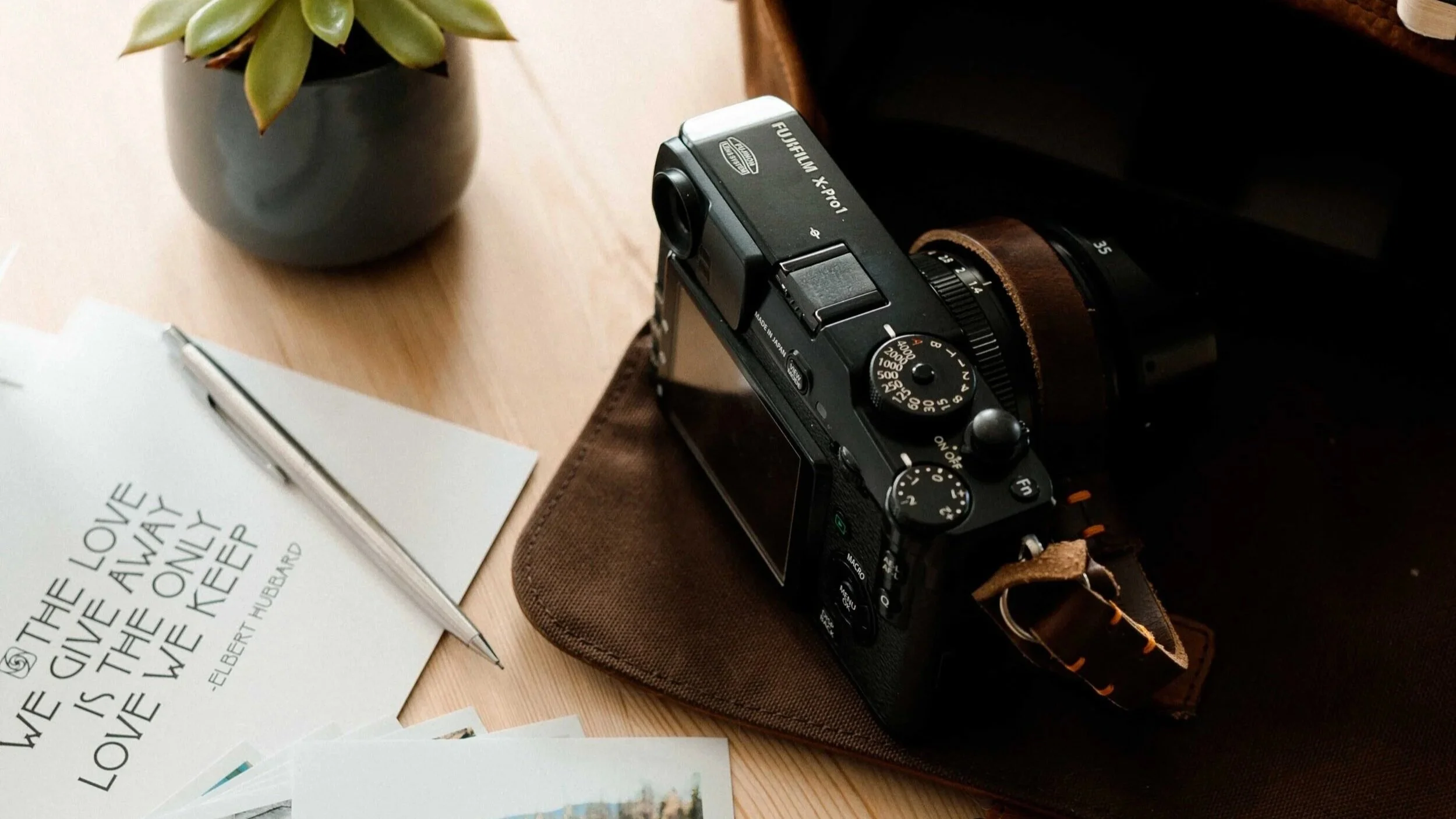
There are upgrades that change your camera, and there are upgrades that change you. A soft release button is small. It threads into the shutter and disappears into the camera's design. It doesn’t alter the sensor, the lens, or the settings. Yet for many photographers, it subtly changes how they interact with their camera every single time they press the shutter. It’s not about adding something flashy. It’s about refining the way the tool feels in your hand.
Ergonomics: A Better Relationship With the Shutter
Most shutter buttons are flat and small. They work, but they weren’t designed with comfort as the primary priority. A soft release button increases the surface area and slightly raises the shutter point. That small lift changes your finger angle. Instead of pressing downward into a recessed metal disc, your finger rests naturally on a broader, smoother surface. Over a long day of shooting, that matters.
On cameras like the Fuji X-series (X100, X-Pro, X-T models), the difference is immediate. The shutter feels more deliberate. On a Leica M, where pressing the shutter is already a considered gesture, the added surface brings an even smoother motion. On a Nikon Zf, with its classic controls and metal dials, the added height complements the tactile experience the camera was built around. It’s subtle, but subtle is often where the magic lives.
Tactile Feedback: Feeling the Moment
Photography is a sensory act. We look. We listen. We anticipate. The shutter press is the physical punctuation mark of the entire process. A soft release refines that punctuation. It softens the press's edge. It gives your fingertip something warmer than cold metal. It reduces that slight slip that can happen when your finger approaches at an angle. Instead of stabbing the shutter, you ease into it.
Many photographers find that their timing improves, not because the camera changed, but because their touch did. There’s something grounding about pressing into wood. The material carries warmth. It slows you down just enough to make the act intentional. When the shutter feels good, you want to press it more. And when you want to press it more, you photograph more.
The Psychological Shift
This might be the most overlooked part. When you personalize your camera, you begin to feel ownership differently. It becomes yours, not just a mass-produced object. A black ebony button on a Leica M creates a quiet contrast. A walnut button on a Fuji X100 softens the industrial lines. A cocobolo button on a silver Nikon Zf adds richness without distraction. The camera stops feeling purely mechanical. It starts feeling considered.
And when your tool feels considered, you approach your work with more care.
Real-World Examples
Fuji X100V / X100VI – The compact design benefits from a slightly raised shutter, especially during one-handed street shooting.
Fuji X-Pro series – The hybrid viewfinder encourages thoughtful framing; the added shutter surface reinforces that deliberate rhythm.
Leica M series – Already tactile and mechanical, a soft release deepens the connection between finger and mechanism.
Nikon Zf – Its vintage-inspired body pairs naturally with the warmth of wood.
Each camera gains something slightly different. But the result is consistent: a more intentional press.
Is It Necessary?
No. Neither is a beautifully balanced pen. Neither is a well-made notebook. Neither is a lens you love. But when something improves the feel of your process, you begin to enjoy the act itself more. And enjoyment leads to use. Use leads to growth. Growth leads to better photographs.
A Small Change That Encourages You to Shoot
At Artisan Obscura, every soft release is designed to enhance that single point of contact between you and your camera. Nothing flashy. Nothing excessive. Just a refinement of the moment that matters most. If you’re curious what that feels like, explore the full soft release collection and find the one that fits your camera and your style. Because sometimes the smallest change is the one you feel every time you press the shutter.